Do You Need an Air Purifier in the Bathroom?
Usually, a bathroom air purifier is optional. It may help with airborne particles and some odors, but an exhaust fan and moisture control matter more for damp air and mold.
On this page (6 sections)
Usually, you don't need an air purifier for a bathroom if its exhaust fan works and humidity falls after showers. A purifier may help with airborne particles and some odors, but it won't remove mold on surfaces or solve dampness.
Start with ventilation: run the bathroom fan during a shower and afterward, and check that it moves air outdoors. If the room stays damp or smells musty, look for a leak, poor airflow, or wet materials before buying an appliance.
What can an air purifier do in a bathroom?
A bathroom air purifier may filter some airborne particles and help with certain odors, depending on its filter and the source. It cannot dry the room, clear a drain, or clean mold from tile and grout.
A purifier with a particle filter may capture dust and other particles that pass through it. Activated carbon can help reduce some odors, but performance depends on the amount and type of carbon, airflow, and the odor source.
Bathroom odors often have a source that needs attention. Clean the drain and surfaces, empty the waste bin, wash damp towels, and improve airflow rather than expecting a purifier to cover up a lasting smell.
If a musty smell persists, read whether an air purifier can get rid of a musty smell. That guide explains what filtration may help with and when to look for moisture instead.
Does an air purifier prevent bathroom mold?
No. An air purifier does not prevent or remove mold growth by itself.
Mold grows where moisture stays, so drying wet surfaces, fixing leaks, and improving ventilation are the key steps.
A purifier may catch some airborne particles, but it won't reach growth embedded in grout, drywall, or other materials. Don't treat filtered air as proof that a damp surface is clean.
Use the exhaust fan while showering and leave it running afterward according to its instructions. Wipe standing water from surfaces, hang towels so they can dry, and check caulk and plumbing for leaks.
If mold returns after cleaning or covers a large area, identify and address the moisture source. The EPA's guide to mold, moisture, and your home explains how moisture control helps limit mold growth.
Should you fix ventilation or buy a purifier first?
Improve ventilation first if steam hangs in the room or the mirror stays fogged long after a shower. A purifier circulates and filters room air; an exhaust fan removes humid air when it vents outdoors.
Run the fan during bathing and for a while afterward. If you aren't sure whether it works, check its instructions or ask a qualified professional to inspect it.
Don't assume a fan is useful just because it makes noise. It should move air outdoors, and its duct should not dump damp air into an attic or another enclosed space.
If the room remains damp, check for plumbing leaks, water around the tub, or wet flooring. Our guide to air purifiers versus dehumidifiers for a damp room explains how those appliances address different problems.
Can a hygrometer help with bathroom dampness?
A hygrometer can help you see whether humidity rises during a shower and falls afterward. It measures humidity; it doesn't remove moisture or tell you whether a fan is venting properly.
The TP50 Digital Hygrometer displays humidity and temperature, with a comfort indicator and high and low records. It has a tabletop stand and magnetic back, and comes with one AAA battery.
Place it on a dry counter away from splashes. If readings stay high, improve ventilation and investigate moisture sources before adding a purifier.
When might a bathroom air purifier be useful?
A bathroom purifier may be useful when you want extra filtration for particles or some odors and have a dry, safe location for the unit. It is an add-on to ventilation, not a replacement for it.
Choose a unit based on the room size, filter type, and a placement location that stays clear of water. Follow its manual for room conditions and cleaning, and don't use it near a sink, shower, or tub.
Which compact purifiers could fit the need?
A compact purifier may suit a nearby dry area if its manual permits the conditions and the airflow isn't blocked. Keep it outside splash zones and away from wet floors.
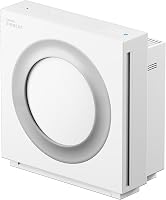
The Blueair Blue Pure 511 uses HEPASilent dual filtration and has a washable pre-filter. Blueair says it can clean a 180 sq ft room in 12.5 minutes on its highest fan speed.
The Medify MA-14 has 3 fan speeds, sleep mode, and a filter replacement indicator. Medify describes its filter as H13 HEPA and says it captures particles down to 0.1 microns.
Both are household appliances, so check their manuals before using one in a bathroom. If the only available spot is near water or the room remains damp, focus on ventilation instead.
Is a larger purifier a sensible bathroom choice?
A larger unit may make more sense for a nearby bedroom or open area than for a small bathroom. Check room size and placement before choosing a purifier with features you don't need in the bathroom.
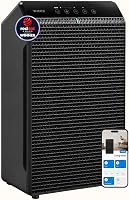
The Levoit Vital 100S-P has a washable pre-filter and a high-efficiency activated carbon filter. Levoit says it is AHAM VERIFIDE and can clean a 222 sq ft room 4.8 times per hour.
Use it only where the manual allows and where it can stay dry. For a musty basement or another larger damp space, see what works in a basement.
What should you check before buying one?
Buy a purifier only after confirming the problem is airborne particles or an odor that filtration may help with. If the issue is lingering steam, damp walls, or visible growth, address ventilation and moisture first.
Check these points before choosing:
- Room size: Match the purifier to the room where it will run.
- Filter type: Particle filters capture particles; activated carbon can help with some odors.
- Placement: Keep the unit away from water and follow its manual.
- Upkeep: Check how to clean or replace each filter.
- Source: Find the cause of any musty or persistent odor.
For help comparing features across room types, read how to pick the best air purifier for your home. The right choice depends on what you need filtered and where you can safely place the unit.
Do you need an air purifier in the bathroom?
Skip a bathroom air purifier if the fan clears steam and the room dries between showers. If you want added particle filtration or help with some odors, choose a unit that fits the space and can stay dry.
Use the TP50 Digital Hygrometer to track humidity changes, and consider the Blueair Blue Pure 511 or Medify MA-14 only if you have a safe, dry placement spot. Choose the Levoit Vital 100S-P for a nearby larger room where its washable pre-filter and carbon filter suit your needs.
If a musty smell remains, find and fix the moisture source first. Then use the musty-smell guide to decide whether filtration could help with what remains.
Frequently asked questions
Will an air purifier remove bathroom mold?
No. An air purifier may capture some airborne particles, but it doesn't remove mold growing on grout, walls, or other surfaces, and it won't fix the moisture that supports growth.
Clean affected areas safely, repair leaks, and improve ventilation; get professional help if the growth is extensive or keeps returning.
Is an air purifier or dehumidifier better for a bathroom?
A dehumidifier may help when indoor humidity stays high, while an air purifier is for filtering airborne particles and some odors. Neither replaces a working exhaust fan or repairs a leak.
Measure humidity and address the moisture source before choosing another appliance.
Can I put an air purifier in a bathroom?
Only use an air purifier in a bathroom if its manual allows the room conditions and you can keep it away from splashes, sinks, tubs, and wet floors. Many household units are not made for wet locations.
Keep cords and outlets dry, and prioritize ventilation.
What humidity should a bathroom be?
There isn't one reading that fits every bathroom, but humidity should fall after a shower rather than stay high for hours. Run the exhaust fan during bathing and afterward, and use a humidity meter to watch the trend.
Persistent dampness may point to weak ventilation or a leak.