Air Purifier vs Dehumidifier for a Damp Room: Which Is Better? (October 2026)
Use a dehumidifier to lower damp-room moisture and an air purifier to filter airborne particles and some odors. If both problems matter, they have different jobs, but neither repairs a leak or removes mold growth.
On this page (7 sections)
- Air purifier vs dehumidifier: which one should you choose?
- What does each device do in a damp room?
- Can an air purifier help with mold spores?
- How can you measure humidity before choosing?
- Can you use both devices at once?
- What should you fix before buying a device?
- Which option is right for your situation?
Use a dehumidifier to lower damp-room moisture and an air purifier to filter airborne particles and some odors. If both issues matter, the two devices have separate roles, but neither fixes a leak or removes mold growing on surfaces.
An air purifier draws room air through filters. A dehumidifier collects moisture from the air, so choose based on the problem you need to address first.
Air purifier vs dehumidifier: which one should you choose?
Choose a dehumidifier when excess humidity is the main problem; choose an air purifier when airborne particles or odors are the main concern. Check humidity and inspect for water entry before buying either device.
A purifier cannot dry wet drywall, stop condensation, or repair a plumbing leak. A dehumidifier cannot filter particles unless it also has an air-cleaning function, so check the device features.
If a room smells musty, look for damp materials, plumbing issues, roof leaks, condensation, or poor ventilation. A fragrance or filter may change the smell without correcting its source.
When should you choose a dehumidifier?
Choose a dehumidifier if humidity readings stay high, windows collect condensation, or materials remain damp. It removes moisture from indoor air and collects it in a tank or drains it, depending on the model.
You still need to find and correct the source of water. Drying the room can help control damp conditions, but it does not guarantee that mold or water damage is gone.
When should you choose an air purifier?
Choose an air purifier if the room is reasonably dry but you want to reduce airborne particles such as dust, pollen, or smoke. A carbon or deodorization filter may also reduce some odors.
A purifier is an air-cleaning step, not moisture control. For more context on what filtration can do, see how to pick an air purifier for your home.
What does each device do in a damp room?
A dehumidifier removes moisture from room air, while an air purifier filters air through its media. Their jobs can complement each other, but they are not interchangeable.
A dehumidifier pulls in humid air, condenses water, and returns drier air to the room. Its capacity and suitable room conditions depend on the model, so follow the manufacturer’s instructions.
An air purifier moves air through a pre-filter and other filter stages. A HEPA filter can capture airborne particles within its stated performance conditions; an odor filter targets some gases and smells.
Does an air purifier lower humidity?
No. An ordinary air purifier does not remove enough water from the room to act as a dehumidifier.
The fan may move air around, but circulation is not the same as collecting water. Track humidity with a hygrometer if you need to know whether moisture-control steps are working.
Does a dehumidifier clean the air?
A standard dehumidifier’s main job is moisture removal. Some models may include filters, but check the model’s features and do not assume it provides HEPA-level particle filtration.
If you need both functions, compare the actual filtration and moisture-removal features of the products. A separate purifier and dehumidifier can make their roles clearer.
Can an air purifier help with mold spores?
A purifier with suitable particle filtration may capture some airborne particles, but it does not remove mold growth from walls, ceilings, or belongings. Stop the moisture and address affected materials.
Mold can grow where materials stay wet or damp. Filtration may help with particles circulating in the room, but it should not replace fixing a leak, drying materials, or cleaning safely.
The EPA’s mold guidance explains moisture control and cleanup considerations. If the affected area is large or water damage is persistent, consult a qualified professional.
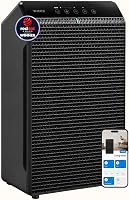
The Coway Airmega AP-1512HH has a HEPA filter, a deodorization filter, a washable pre-filter, and an air quality indicator. {{product B01728NLRG | Its HEPA and deodorization filters suit a room where airborne particles and some odors are concerns.}}
The Winix 5520 combines True HEPA and carbon filtration with an air quality sensor and Auto Mode. {{product B0DT4F8T4L | Its particle and carbon filters address airborne particles and some household odors, not room moisture.}}
Read air purifiers for mold spores and musty rooms for a closer look at filtration choices. Keep the focus on moisture control and safe cleanup when mold is visible.
How can you measure humidity before choosing?
Use a hygrometer to see whether humidity remains high, rather than guessing from a musty smell alone. Readings over several days can show patterns that one check may miss.
Place the sensor in the room where you notice dampness, away from direct sunlight, vents, windows, and wet surfaces. Check readings at different times and after activities that add moisture, such as showers or cooking.
The Govee H5075 displays indoor temperature and humidity, and its app can show graphs and send alerts for preset ranges. {{product B07Y36FWTT | Use its humidity readings and alerts to track whether room conditions change after moisture-control steps.}}
It measures conditions; it does not reduce moisture. If readings remain raised, investigate ventilation and water sources, then select a dehumidifier that fits the room and conditions.
Can you use both devices at once?
Yes, you can use an air purifier and a dehumidifier in the same room if each has a clear job and enough space. Follow their manuals for placement, airflow clearance, drainage, and operation.
Keep the purifier’s intake and outlet unobstructed. Place the dehumidifier where it can draw air freely and where you can empty its tank or manage its drain.
Check both devices regularly. Clean or replace filters as directed, empty the dehumidifier tank when needed, and keep a record of humidity so you can tell whether the room is drying.
If the room is a basement, see what air purifiers can do in a basement. Basements may need moisture control and ventilation as well as particle filtration.
What should you fix before buying a device?
Find the moisture source first, especially if you see water stains, peeling paint, condensation, or visible mold. A device may reduce one symptom while the underlying issue continues.
Check plumbing, exterior walls, windows, roof areas, and drainage near the room. Look for wet carpet, damp stored items, or furniture against a cold wall where air cannot circulate.
Improve ventilation where appropriate and dry materials promptly. If water keeps returning, have the source assessed rather than relying on a purifier or dehumidifier alone.
For bathrooms, use ventilation designed for moisture and avoid placing an air purifier where it can be splashed. Our bathroom air purifier guide covers that room’s specific considerations.
Which option is right for your situation?
Pick a dehumidifier for excess room moisture, an air purifier for airborne particles or some odors, and both when you have both needs. Fix water entry and visible mold as separate tasks.
If the room feels damp or shows condensation, start by measuring humidity and tracing moisture. If the room is dry but still has airborne particles or lingering odors, compare purifier filters and room coverage.
For a damp basement, start with moisture control and use an air purifier only for the air-cleaning job it can perform. If you want to understand odor limits, read whether an air purifier can get rid of a musty smell.
Pick by the problem you can measure: humidity needs a dehumidifier, while airborne particles need filtration. Recheck the room after addressing moisture so you know whether an additional air-cleaning step is useful.
Frequently asked questions
Does an air purifier help with a damp room?
An air purifier can filter airborne particles and may reduce some odors when it has suitable filters, but it does not lower humidity. Address the source of moisture first, then consider filtration if airborne particles or lingering odors are also a concern.
Will a dehumidifier remove mold?
A dehumidifier lowers moisture in the air, which can help control damp conditions, but it does not remove mold growing on a surface. Fix water entry, dry affected materials, and follow public health guidance for cleaning or professional help when growth is extensive.
Should I use an air purifier and dehumidifier together?
Using both may make sense when a room has excess humidity and airborne particles or odors. The dehumidifier targets moisture, while the purifier filters air.
Place and operate each according to its manual, and still deal with leaks or visible mold.
How can I tell if the room is too humid?
Use a hygrometer to track relative humidity over time and watch for condensation, damp materials, or recurring musty odor. A single reading may miss daily changes, so check the room at different times and after cooking, bathing, or other moisture-producing activity.
Can an air purifier get rid of a musty smell?
A purifier with an odor-control filter may reduce some airborne odors, but a recurring musty smell often points to a moisture source that needs attention. Read our guide on air purifiers and musty smells for what filtration can and cannot do.