Coway vs Philips Air Purifier: Which to Buy? (November 2026)
Neither brand wins outright: Coway leans toward larger rooms and Philips toward compact bedrooms. For most readers the simpler buy is a Levoit model, which covers both jobs without the premium.
On this page (8 sections)
- What is the quick verdict on Coway vs Philips air purifier?
- Coway vs Philips: the two brands side by side
- Which brand covers your room size better?
- How do the filters and running costs compare?
- Which brand is easier to live with day to day?
- Who should buy Coway?
- Who should buy Philips?
- The verdict: which air purifier should you buy?
Neither brand wins outright: Coway leans toward larger rooms and Philips toward compact bedrooms. In this coway vs philips air purifier comparison, your room size and the pollutants you notice matter more than the badge on the front.
The two brands overlap in the middle of the market. Each offers HEPA-grade filtration and smart features on some models, so the decision usually comes down to coverage, filter type and how much floor space you can spare.
We compared the specs and buyer patterns for both brands. For most readers, though, the simpler buy is a Levoit model that covers the same jobs without the premium.
What is the quick verdict on Coway vs Philips air purifier?
Pick Coway for a large living room or open-plan space, and pick Philips for a bedroom or a small flat. For most homes, a Levoit model does the same work for less fuss.
Coway's lineup leans toward bigger coverage ratings and long filter life. Philips builds compact units and specialty filters aimed at specific problems, like formaldehyde or pet dander.
If you want one clear answer, the best air purifier for home guide lays out what coverage rating actually means before you spend.
Our top pick for most bedrooms
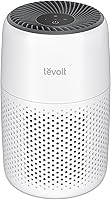
The Levoit Air Purifiers for Bedroom Home Pets scores 9.6 and is the easiest recommendation here. Its pre-filter and main filter capture lint, hair, pet dander and smoke particles, and sleep mode runs more quietly than a whisper.
It measures just 6.3 x 6.3 x 10.24 in and weighs 2.2 lb, so it sits on a desk or nightstand without crowding the room. The fragrance sponge adds a light scent if you like that, with a 2 to 3 drop limit so it doesn't overflow.
Coway vs Philips: the two brands side by side
The table below shows where each brand usually plays: Coway for coverage and filter life, Philips for compact units and specialty filters. The exact numbers change by model, so treat this as a brand-level guide.
| Feature | Coway | Philips |
|---|---|---|
| Typical coverage | Large rooms and open-plan spaces | Bedrooms and compact rooms |
| Filter style | Multi-stage with a pre-filter | Multi-stage with specialty options |
| Smart features | App and auto mode on many models | App and auto mode on many models |
| Running cost | Longer filter intervals | Depends on filter type |
| Best fit | Living rooms and family spaces | Small flats and nurseries |
Coway models often pair a washable pre-filter with a main HEPA filter, which stretches the time between replacements. Philips often offers filter variants for allergies or odors, so you match the filter to the problem.
Where the brands differ most
The biggest gap is coverage ambition. Coway tends to rate models for larger square footage, while Philips focuses on smaller rooms and tighter designs.
Philips also leans harder into specialty filters. If formaldehyde or cooking fumes are your main worry, its filter options are more targeted.
Coway counters with quiet operation and app control on many units. For a living room that runs all day, that combination is hard to beat.
What both brands share
Both brands build around AHAM-style performance claims and multi-stage filters. That means a pre-filter catches hair and lint, a carbon stage handles odors and fumes, and a main filter catches fine particles.
Both also offer sleep modes and dimmable displays on many models. In a bedroom, those two features matter more than raw airflow, because a purifier you switch off at night cleans nothing.
The shared ground is why the choice rarely comes down to brand quality. It comes down to whether the model in front of you fits the room you have.
Which brand covers your room size better?
Coway fits bigger spaces, while Philips fits bedrooms and small flats. Measure the room before you compare models, because a coverage rating means little if the unit can't sit where the air actually circulates.
A purifier rated for a large room runs on a lower fan speed in a smaller space. That usually means less noise and longer filter life, so some headroom helps.
When a large-room rating matters
Open-plan kitchens, living rooms and basements need more air changes per hour. Coway's larger coverage ratings suit those spaces better than a compact Philips unit.
If you cook often or have pets, look for a model with a high smoke and dust CADR. Coway publishes those figures for its larger units.
Air changes per hour is the figure to watch. A room rated for 4.8 air changes per hour is cleaned faster than one rated for a single pass, so compare that number rather than the headline square footage alone.
When a compact unit wins
A bedroom, nursery or home office rarely needs whole-room power. A Philips compact unit fits on a shelf or in a corner, and its lower airflow is easier to live with at night.
Small rooms also warm up and cool down quickly, so a smaller purifier responds faster than a large one idling on low.
Our guide to the best air purifiers under 200 covers compact options that fit a tight budget.
How do the filters and running costs compare?
Both brands use multi-stage filtration, but the filter type and replacement interval decide the running cost. Check the filter price and how often it needs changing before you buy.
Coway often uses a washable pre-filter plus a main HEPA filter. You rinse the pre-filter and replace the main filter less often, which lowers the yearly cost.
Philips sells several filter types for the same unit. A standard HEPA filter costs less than a specialty filter for formaldehyde or odors, so match the filter to your problem.
What drives the yearly cost
The main filter is the recurring expense. A longer replacement interval matters more than a slightly cheaper filter, so check both.
A pre-filter you can wash keeps hair and dust off the main filter. That extends its life, especially in a home with pets.
Energy use is small on low speed. The bigger cost is filters, so budget for one or two replacements a year.
Filter choices for specific problems
Philips offers filters aimed at specific pollutants. If you live near a busy road or a wildfire zone, a specialty carbon filter helps more than a standard one.
Coway's standard filters handle dust, pollen and pet dander well. For heavy smoke, look for a model with a high smoke CADR and a carbon stage.
Which brand is easier to live with day to day?
Coway's app and auto mode make it a set-and-forget unit, while Philips' compact designs fit tighter spaces. Day-to-day ease comes down to controls, noise and where the unit sits.
Both brands offer app control and auto mode on many models. Auto mode adjusts fan speed to the air quality, so you don't touch the controls.
Noise and night use
A large Coway unit on high is loud, but its low speed is quiet enough for a living room. Philips compact units run quieter on low, which suits a bedside table.
Check the low-speed noise figure for the exact model. A big unit on low is often quieter than a small unit on high.
Placement and footprint
Coway's larger units need floor space beside a wall and clear room for airflow. Philips compact units fit on a shelf or in a corner.
Leave at least a few inches around the intake. A purifier pushed against a wall moves less air and works harder for the same result.
The filter indicator and app reminders
Many models in both ranges track filter life and remind you when to replace. That takes the guesswork out of maintenance, which matters more in a smoky or pet-heavy home.
If the model you pick lacks an indicator, set a phone reminder for every six to eight months. Skipping a change costs you airflow long before it costs you a filter.
If you're comparing brands more broadly, the Coway vs Blueair breakdown covers a third option with a different filter philosophy.
Who should buy Coway?
Buy Coway if you have a large living space and want long filter life. Its bigger coverage ratings and washable pre-filters suit family rooms and open-plan homes.
Coway is the better fit when the purifier runs all day in a shared space. The larger units move more air, and the app makes it easy to set a schedule.
Skip Coway if your room is small and floor space is tight. A large unit in a bedroom is overkill and takes up room you don't have.
The case for a large Coway unit
A large room needs a purifier that can turn the air over several times an hour. Coway's bigger units are built for that, with high CADR figures for smoke and dust.
The washable pre-filter is the practical win. In a pet household, rinsing it monthly keeps the main filter from clogging too fast.
When to skip Coway
If your bedroom is under 150 sq ft, a compact unit is the better buy. A large Coway unit will spend most of its time on low, and you'll pay for coverage you don't use.
Who should buy Philips?
Buy Philips if you have a small bedroom or flat and want a compact unit with specialty filters. Its smaller designs fit tight spaces and target specific pollutants.
Philips is the better fit for a nursery, home office or small flat. The compact units sit on a shelf, and the filter options let you target allergies or odors.
Skip Philips if you need to clean a large open-plan space. Its lineup leans toward smaller rooms, so a large Coway unit covers more air.
The case for a compact Philips unit
Small rooms turn over air quickly, so a compact purifier is enough. Philips units fit on a shelf and run quietly on low, which suits a bedside.
The filter options are the draw. A specialty carbon filter handles cooking fumes and VOCs better than a standard HEPA filter alone.
When to skip Philips
If you have a large living room or basement, size up to a bigger unit. A compact purifier won't move enough air for an open-plan space.
The verdict: which air purifier should you buy?
For most readers, the Levoit Air Purifiers for Bedroom Home Pets is the pick because it covers a bedroom quietly and costs less than either premium brand. In the coway vs philips air purifier decision, choose Coway for a large room and Philips for a compact space.
The Levoit Core Mini-P handles the job most people actually need: clean air beside the bed without noise. It traps dander and smoke particles and runs more quietly than a whisper in sleep mode.
If your room is bigger, the Levoit Vital 200S-P is the large-room pick. Its 1875 sq ft rating and U-shaped inlet suit open-plan living and pet households.
For allergy season in a standard bedroom, the Levoit Core 300-P balances power and quiet. Its 143 CFM CADR and 24 dB sleep mode cover a 222 sq ft room well.
And if smart control matters most, the Levoit Core 200S adds app and voice control for a small room. The Core Mini-P is the lightest of the four at 2.2 lb.
Whichever brand you choose, buy for the room where the unit will sit. A slightly oversized purifier on low beats a small one straining on high.
Frequently asked questions
Is Coway or Philips a better air purifier brand?
Coway suits larger rooms and long filter life, while Philips fits compact bedrooms and its specialty filters target specific problems. Neither wins across the board, so pick the brand whose model matches your room size and the pollutants you notice most.
Do Coway and Philips purifiers use HEPA filters?
Both brands build models around HEPA-grade filtration, and the exact filter class differs by model. Look for the HEPA rating on the specific purifier you plan to buy rather than assuming every model in the range uses the same filter.
How often do filters need replacing?
Most HEPA filters last about 6 to 12 months, and the app or indicator light on many Coway and Philips models tracks the remaining life. Heavy smoke, pets and dust shorten that window, so check the filter monthly and replace when airflow drops or the light comes on.
Are these purifiers quiet enough for a bedroom?
Both brands offer sleep modes that drop fan speed and dim lights, though the measured noise differs by model. Check the low-speed noise figure for the exact unit you buy, because a large-room model on high is much louder than a small purifier at night.
Should I size up to a bigger purifier?
Buy for the room where the purifier will sit and add a little headroom if doors stay open. A unit rated for a larger space runs on a lower fan speed in a smaller room, which usually means less noise and longer filter life.